Living nutrition
Nannochloropsis supplies proteins and beneficial fatty acids, including EPA. Its nutrition moves through the food web as organisms consume it.

100% LIVE NANNOCHLOROPSIS
Living phytoplankton for corals, filter feeders, and the marine life that makes your reef thrive.
ALL NATURAL · NO PRESERVATIVES · NO ADDITIVES
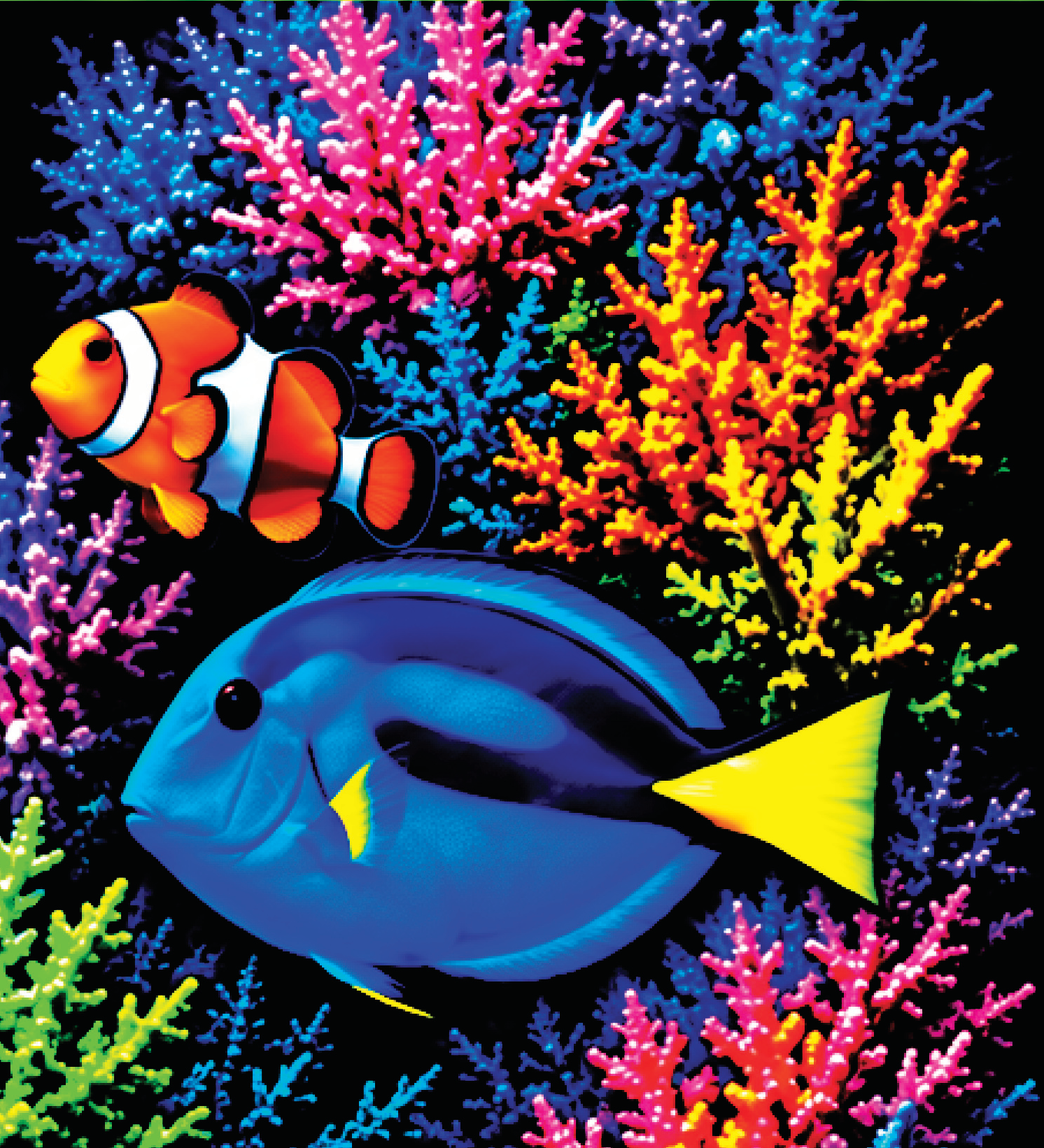
LIVE NUTRITION. THRIVING REEF.
SMALL CELLS. A BIG ROLE.
Phytoplankton are microscopic algae. They turn light and nutrients into biomass that helps feed the smaller organisms in a marine ecosystem.
Nannochloropsis supplies proteins and beneficial fatty acids, including EPA. Its nutrition moves through the food web as organisms consume it.
Live phytoplankton can support suitable filter feeders and live-food cultures. Feeding response varies with species and the size of particles they can capture.
Use measured portions, observe your animals, and monitor water quality. Phytoplankton complements a varied feeding plan and regular reef care.
SMOOTHIES MEAN GREEN
The same single-strain living culture,
in two bottle sizes.
A smaller bottle for a measured feeding routine.
More culture on hand for larger reefs and regular feeding.
Contact us for current pricing and shipping availability. Order requests are confirmed directly before payment.
FRESHNESS, ON A ROUTINE
Choose your bottle size and request monthly delivery. Keep living nutrition part of your reef’s regular feeding routine.
Ask about our freshness guarantee, shipping schedule, and subscription terms when confirming your plan.
MAKE EVERY DOSE COUNT
LABEL-BASED DOSING CALCULATOR
Starting label guidance: 5 mL per 10 gallons, 3–4 times per week.
Use actual water volume after rock and sand displacement. This calculation follows the label; adjust based on your reef’s response and water quality.
View the original 16 oz labelTHE CULTURE CORNER
A successful culture starts with healthy starter cells, clean equipment, suitable culture water, nutrients, light, and aeration.
Use a clean, transparent culture vessel with airline tubing, an air pump, a light, and a timer. Keep culture tools separate from aquarium equipment to reduce contamination.
Prepare clean saltwater and follow the starter supplier’s salinity guidance. Use a microalgae culture medium at its specified dose. Record your salinity and nutrient additions so each batch is repeatable.
Provide steady illumination on a timer and continuous gentle aeration to keep cells suspended. Avoid direct sun and overheating. Follow your culture supplier’s light and temperature guidance.
Record color, growth, temperature, and batch dates. A culture should grow progressively denser. Sudden clearing, unusual clumping, or an off odor may indicate a problem; isolate that batch and investigate before using it.
Use clean tools and retain a healthy starter for the next batch. A separate backup culture helps you recover if a batch fails. Follow a validated culture protocol for harvesting and storage.
Further reading: University of Florida · Phytoplankton Culture for Aquaculture Feed. Culture requirements vary by strain and setup.
GOOD TO KNOW
Keep a varied diet suited to your livestock. Not every coral or filter feeder consumes the same particles, and fish typically need additional foods.
Follow the bottle’s refrigeration instructions and use-by date. Our label specifies refrigeration after opening at 34–42 °F. Shake well before dosing.
Your email opens with your selected size and purchase preference. We confirm availability, price, shipping, and any monthly-plan terms directly with you.
Yes, contact Sean to discuss store inquiries, available sizes, and product handling.